Peptide Pureness Resolution Innovative Peptides-peptide Medication Exploration
Validated > 99% Lab-grade Peptides
At Maxed Out Substances, every item we provide features a clear screening record and clear paperwork. Our mission is to support scientists with high-purity, confirmed substances that satisfy the needs of modern scientific research-- nothing even more, nothing less. Independent, third-party screening plays an essential duty in making certain neutrality and accuracy. By utilizing outside laboratories for verification, vendors remove predisposition and support scientific reliability. It's an added step that provides scientists confidence that each peptide meets constant, proven requirements. This grade fits most of in vitro study applications-- receptor binding assays, enzyme task researches, and cell society experiments.- Beginning with proper research laboratory recognition is consequently a vital part of a researcher's quality control process.
- " Mass spectrometry responses "is the discovered compound regular with the designated peptide identification?
- As an example, capillary electrophoresis can be made use of to divide really hydrophilic peptides or to double-check results, and MALDI-TOF mass spectrometry can aid in mapping larger or customized peptides.
Peptide Applications In Useful Foods And Wellness Items
HPLC procedures chromatographic purity by dividing the target peptide from related pollutants and determining main-peak area percent. Mass spectrometry confirms molecular identity by checking whether the determined mass matches the anticipated peptide mass. For research-grade peptide qualification, HPLC and LC-MS/ESI-MS answer different inquiries and need to read together. BOC Sciences also gives thorough in vitro (cell platforms) and in vivo (animal platforms) screening services to help customers completely recognize peptide formulation efficiency in different environments. In vitro tests examine peptide cytotoxicity, cell uptake, anti-inflammatory activity, and more, offering essential data sustain for peptide applications in clinical visual appeals and biomedical areas.
As the percent of natural solvent gradually boosts during the run, particles are launched from the column in order of their hydrophobicity-- the extra hydrophobic a peptide, the longer it requires to elute (wash off). Given that pollutants usually vary from the target peptide by at least one amino acid, they have slightly various hydrophobicities and appear as different peaks on the chromatogram. The key point is not to puzzle pureness (HPLC percent of the primary peptide vs pollutants) with total material. For experimental planning (like computing molar concentrations), both pureness and internet web content serve numbers, however purity is what reflects the chemical homogeneity of the peptide example.Either can be acceptable, however third-party screening is the gold requirement for research-grade products. Residual solvents, such as DMF, acetonitrile, or DMSO, are quantified utilizing gas chromatography (GC) approaches. These solvents can influence peptide functionality, so precise Visit website quantification is essential to ensure purity and prevent contamination in experimental setups. Peptide security is analyzed under different conditions to guarantee reliability during study and item advancement.
Research Uses Of Peptide Chemical & Physical Evaluations
These are valuable in the best setup, but they ought to be taken method-specific evidence rather Home page than a global replacement for HPLC and MS. Yet peptide pureness is probably the solitary essential top quality statistics for any kind of study peptide. It straight influences the dependability and reproducibility of speculative outcomes. A peptide listed at 75% purity and one at 99% purity aren't simply different grades-- they can create meaningfully different results in the very same assay.
Enhancing HPLC, research laboratories utilize Mass Spectrometry (commonly paired as LC-MS) to confirm the peptide's molecular weight and series identification. Mass spectrometry gives molecular verification by identifying the specific mass of the peptide and any kind of co-eluting species or truncated series with high accuracy. With each other, HPLC and MS information permit analysts to verify that the peptide's structure matches what it should be (correct amino acid series and anticipated modifications) and that no substantial contaminants exist.
What Can Fail Without Laboratory Recognition?
Straight from the synthesizer with marginal handling-- normally just bosom from the material and rainfall. Purity varies widely, from 40% to 80%+ relying on series size and trouble. Crude peptides are suitable for applications where purity isn't essential, such as antibody production or initial screening assays where the target peptide just needs to be existing, not leading. Very closely connected to truncations, removal peptides are unabridged chains that are missing one amino acid somewhere in the middle. If topping isn't perfectly efficient, an uncoupled chain can remain to elongate in subsequent steps, producing a peptide that's just one residue except the target.
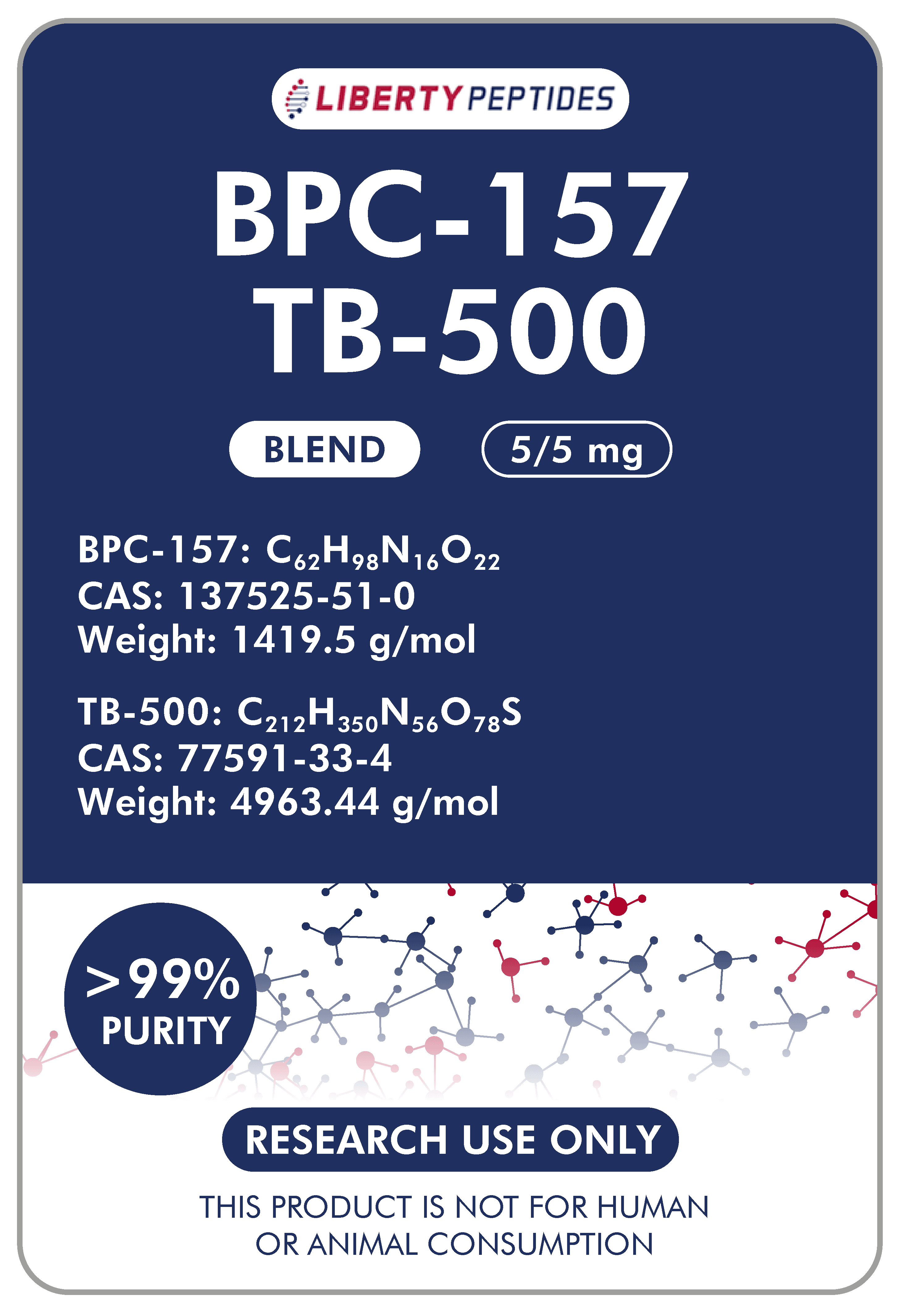
In addition to HPLC and MS, specialized laboratories may use orthogonal methods for included accuracy. As an example, capillary electrophoresis can be utilized to divide really hydrophilic peptides or to double-check outcomes, and MALDI-TOF mass spectrometry can help in mapping larger or modified peptides. Numerous peptide manufacturers or suppliers will give a COA (Certification of Evaluation), for instance our bpc 157 tb 500 mix, that includes the purity portion by HPLC and identity verification by MS for each set. Top-tier laboratories commonly report peptide purity well over 95%, regularly ≥ 98-99%, by utilizing cutting edge HPLC and MS analyses. They likewise evaluate both basic materials and ended up peptide vials, which aids catch any impurities, destruction products, or solution inconsistencies.